
Ford Fired Worker of 11 Years Over a $1.95 Cookie He Paid For, Now They Want Him Back
An electrician who spent more than a decade working for Ford says he was fired over accusations that he stole a $1.95 cookie,
only for records to confirm that he had paid for it.
According to Shifting Gears with Phoebe Wall Howard Kurt Kromm, 60, worked at Ford’s Kentucky Truck Plant in Louisville, where employees manufacture the Ford Super Duty, Expedition and Lincoln Navigator. Kromm, a member of the United Auto Workers, told automotive reporter Phoebe Wall Howard that he had worked for Ford for 11 years before the unusual dispute brought his career with the automaker to an abrupt end.
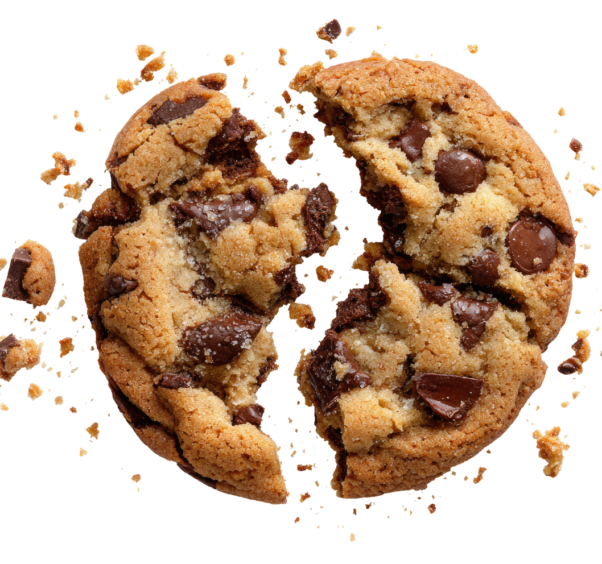
The incident reportedly began at approximately 3:30 a.m. on May 9, 2026, while Kromm was working an overnight shift. Kromm, who has diabetes, said he began feeling lightheaded and went to the plant’s self-service canteen to purchase a Grandma’s Chocolate Chip Cookie to help raise his blood sugar.
According to Kromm, he swiped his debit card at one payment kiosk, but the screen indicated that the transaction had failed. He then moved to a second kiosk, swiped his card again and took the cookie. Surveillance footage reportedly captured the red error screen on the first machine, but not the successful transaction at the other kiosk.
One week later, on May 16, Kromm said his supervisor called him into the plant’s labor office. A union representative allegedly informed him that Ford intended to terminate him because security footage appeared to show him taking the cookie without paying.
Kromm was then escorted from the plant by security and was not permitted to collect his tools. He said the accusation made little sense considering that he earned more than $200,000 in 2025 while averaging approximately 60 hours of work each week. He also estimated that he had spent roughly $1,200 at the plant’s canteen that year, primarily on Diet Coke.
“Why would I steal?” Kromm asked.
After being fired, Kromm checked his bank account and found a $1.95 debit-card charge from the morning of the incident.
On May 20, he reportedly sent screenshots of the transaction to both Ford and his union representative. Kromm said he was later informed that Ford wanted notarized copies of his bank records before accepting them as proof.
On June 12, Kromm said a UAW representative informed him that Ford had contacted Aramark, the company operating the snack kiosks, and confirmed that the cookie had been paid for. Five days later, Ford notified him that he could return to his former position on June 22.
Kromm was also promised back pay for the approximately five weeks he was off the job. He said he ultimately received two checks totaling about $28,000, though he claimed the union had previously told him to expect approximately $33,000.
Ford declined to publicly discuss the specifics of Kromm’s employment case. However, company spokesperson Jessica Enoch acknowledged to Shifting Gears that Ford sometimes reviews situations and concludes that they should have been handled differently.
“We value our employees and want to be as fair as possible,” Enoch said.
By the time Ford offered to reinstate him, Kromm had already secured another electrician position through his other union, the International Brotherhood of Electrical Workers.
The new job was reportedly closer to his home in Kenosha, Wisconsin, and paid more than his Ford position. Kromm said he had earned $48 an hour at Ford but was offered $52.51 an hour, along with an additional hourly bonus, at his new job.
More importantly, Kromm said the experience had destroyed his trust in his former employer.
“There’s no way I’m coming back,” he said.
A longtime Ford coworker also told Shifting Gears that the payment kiosks were known to display confusing or inaccurate messages. She claimed other employees had previously been terminated following similar disputes involving inexpensive drinks or snacks, though those cases have not been independently verified.
Kromm further claimed that a UAW official told him Ford planned to change its handling of future kiosk disputes, suspending employees while transactions are investigated rather than immediately firing them. Ford has not publicly confirmed that policy change, and UAW representatives did not respond to the original reporter’s requests for comment.

